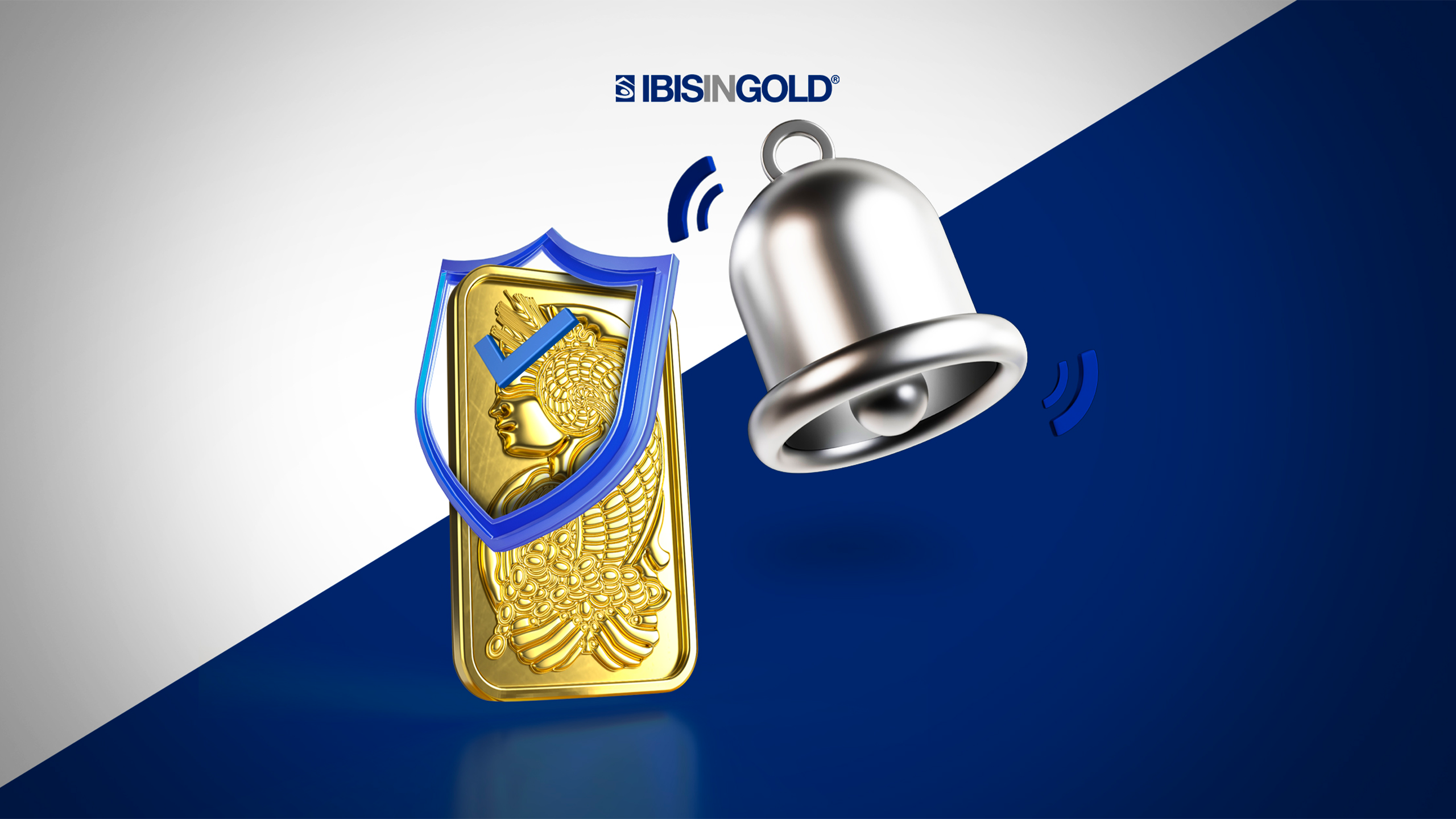
Gold is insurance, silver is the alarm bell
29. 01. 2026Anyone watching precious metal prices today might be asking themselves a simple question: why buy gold when silver is rising faster? The answer lies not in which metal is “better”, but in the role each plays in calm and turbulent times alike.
Gold as an investment hedge, silver as a signal of market stress
When the world begins to feel uncertain, people instinctively look for something solid to rely on. In moments like these, attention turns to precious metals. Gold plays its traditional role here, serving as an investment hedge against inflation, financial shocks, and currency volatility.
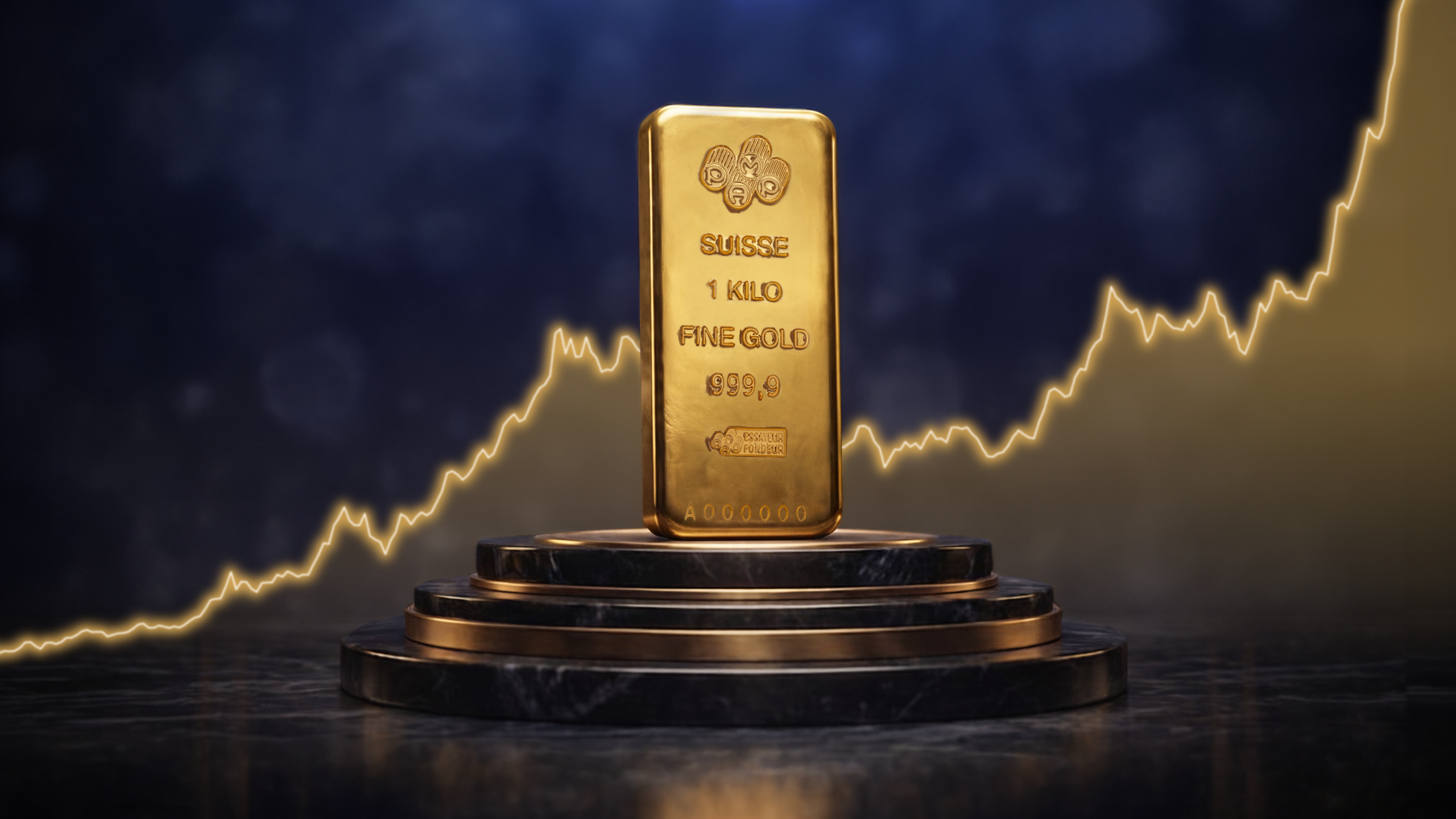
There is nothing new in this. Gold has built that standing over thousands of years. Even today, as its price climbs to record levels and moves beyond USD 5,000 per ounce, it is sending a stark message: investors are seeking stability in something that does not depend on bank promises, political decisions, or short-term market whims. Gold remains what it has always been – a store of value when other certainties begin to falter.
Why is silver reacting much faster?
Alongside gold sits silver. It is often referred to as “poor man’s gold”, yet in reality it behaves very differently. Put simply, silver inhabits two worlds at once.
On one level, it is an investment metal to which people turn in times of uncertainty. On another, it is an integral part of the modern world, found in solar panels, electric vehicles, electronics, and energy systems. That combination makes it far more sensitive to shifts in the global economy.
“When uncertainty rises, metals are pulled in different directions. Gold responds slowly, absorbing fear and acting as a long-term hedge. Silver, on the other hand, reacts immediately. It feels the impact of inflation expectations, interest rate signals, industrial slowdown fears and speculative positioning all at once,” explains Eric Anklesaria, analyst and market strategist.
“Liquidity also plays a role. Another factor is silver’s industrial exposure. Demand linked to manufacturing, electronics and energy makes silver sensitive to global growth expectations. When outlooks shift, silver reprices faster because it is tied not just to fear, but to forecasts.”
In other words, while gold tends to hold the line, silver reacts on all fronts – to investor concerns, the state of industry, and expectations about the future. That is why its price often moves more quickly and with greater intensity.
A combination of strong industrial demand and relatively limited supply can, at times, mean that silver’s growth outpaces that of gold. That may seem attractive. Yet rapid gains in silver do not always signal optimism. They can also point to tension, nervousness, or a shift in market sentiment. That is why silver is often described as the “canary in the coal mine” – a metal that can signal, earlier than gold, that something is changing in the economy or the financial system.
Its price movements tend to be larger, faster, and more emotionally driven than gold’s, underscoring its heightened responsiveness to fluctuations in the market environment.
Role in a portfolio
Gold – a long-term hedge, offering protection against systemic risk and currency debasement.
Silver – a signal of market mood, shifting conditions, and short-term volatility.
More simply:
In times of uncertainty, gold indicates where confidence is settling.
Silver reveals where unease is beginning to surface.
Understanding this distinction is often more important than simply tracking the price. It encapsulates gold’s role as a safe haven, while also reminding investors that strong gains in silver may at times signal market tension rather than a genuine refuge.