Is now the time to take a closer look at gold?
29. 04. 2026Bc. Miroslava Sojková, Social Media Director
In recent weeks, we have seen movements in the gold market that may, at first glance, look worrying. The gold price has fallen by up to around 27% from its peak levels. For many investors, this kind of correction is cause for concern, but when viewed in a wider context, it starts to make more sense.
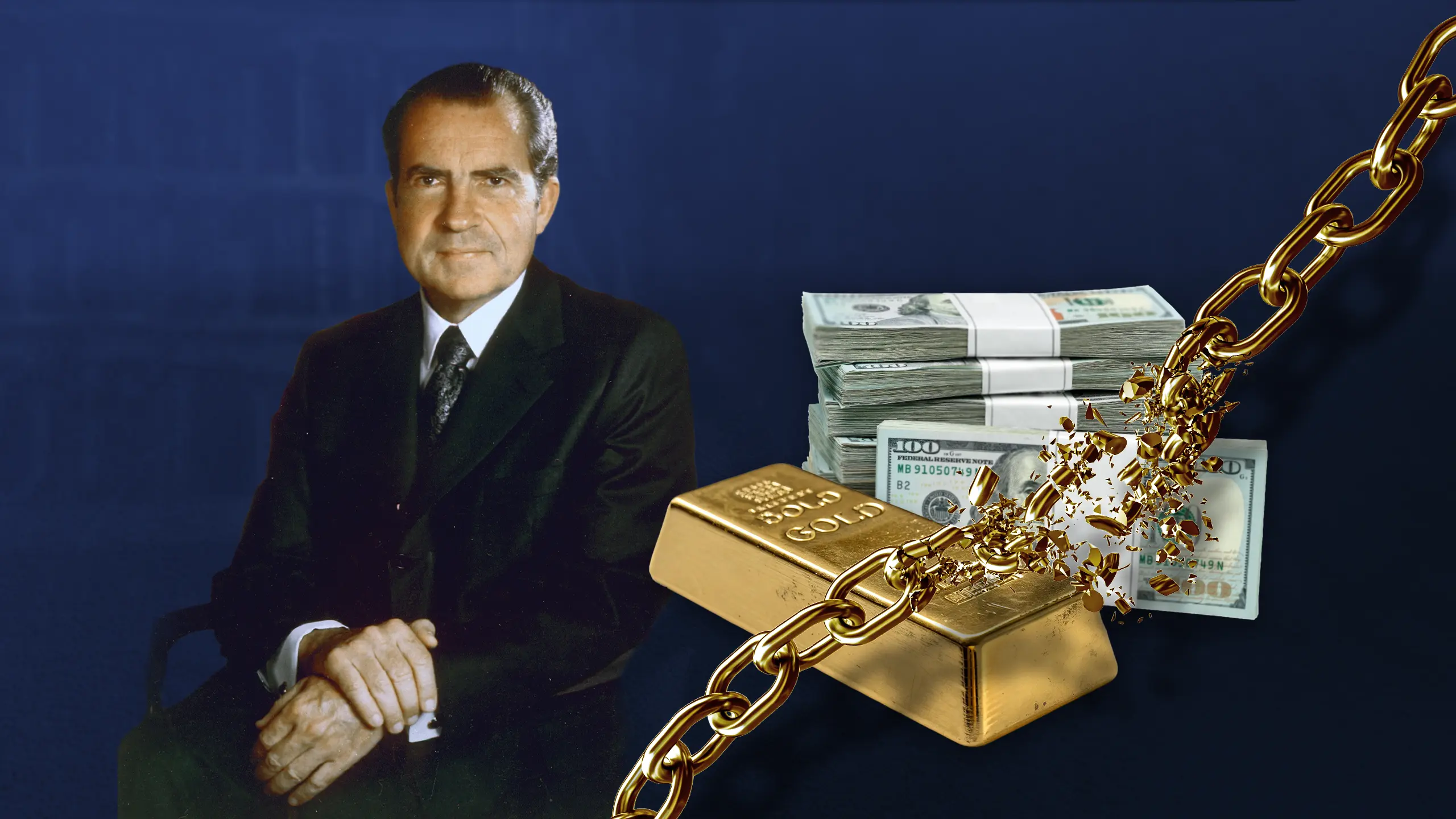
As noted in an article published on Investing.com in early April 2026, declines like this are nothing unusual. In 1973, gold slumped by about 28%; in 2006, it dropped by around 25%. Yet in both cases, this did not mark the end of the upward trend, but rather a natural phase in which the market was catching its breath after a strong run.
Put simply, after a rapid rise, there comes a point when some investors take profits, the market calms down, and the price returns to a level that can provide a more stable basis for future growth. These periods often attract less attention, but they matter from a long-term perspective.
The picture becomes broader when we look beyond a single article. Other respected media outlets have also drawn attention to recent developments. Barron’s, for example, points out that gold can react relatively quickly to shifts in global conditions. After geopolitical tensions eased, its price rose above USD 4,800 per ounce. This suggests that gold remains sensitive to factors such as geopolitics, interest rates, and movements in the dollar.
Barron’s also notes that gold has not moved in one clear direction recently. Sharp rises and falls have alternated, which is typical of a phase in which the market is trying to find a new balance. We might say that this is a period of transition, rather than a clear trend. For investors, this creates an interesting situation: higher volatility and uncertainty on the one hand, and factors that have historically supported gold on the other. Could this combination mean that current price levels are more of a short-term fluctuation than a change in the long-term view of gold as a store of value?
Some commentators even see the correction itself as having its benefits. Economist Mohamed El-Erian, for example, has observed that a fall in the gold price may suggest the market is coming out of a short-term speculative bubble and moving towards a “healthier” level. In other words, the market may be stabilising and becoming less overheated.
The behaviour of major players points in the same direction. Central banks around the world have been buying gold over the long term, while investors as a whole still do not hold as much of it as they have in the past. This creates an interesting contrast: correction and caution on the one hand, and the gradual building of positions on the other.
These mixed signals may be precisely what makes the current situation worth watching closely. Short-term fluctuations and uncertainty have to be set against historical experience, which shows that similar phases have previously formed part of longer cycles.
No one can predict with certainty where the gold price will move tomorrow or in a month’s time. The more important question is what each cycle tells us when the market corrects, sentiment cools, and prices are lower than before. Is this not precisely the moment to at least consider investing in gold? And if history has repeatedly shown that sharper falls – such as 28%, 25%, or around 27% today – are not necessarily an end point, but rather an intermediate stage, perhaps the question is whether the current period may in fact be an opportunity that many will recognise only with hindsight.