55 years since the end of the gold standard: what does 1971 tell us about the value of money today?
14. 08. 2026Mgr. Ing. Filip Horáček, Ph.D., Sales Director at IBIS InGold
More than half a century ago, a decision by US President Richard Nixon brought the era of gold-backed currencies to an end and laid the foundations for today’s fiat-money system. Yet while the world abandoned gold as the basis of its monetary system in 1971, central banks are now buying it in large quantities, and some US states are once again recognising it as legal tender. What, then, is the real legacy of 1971?
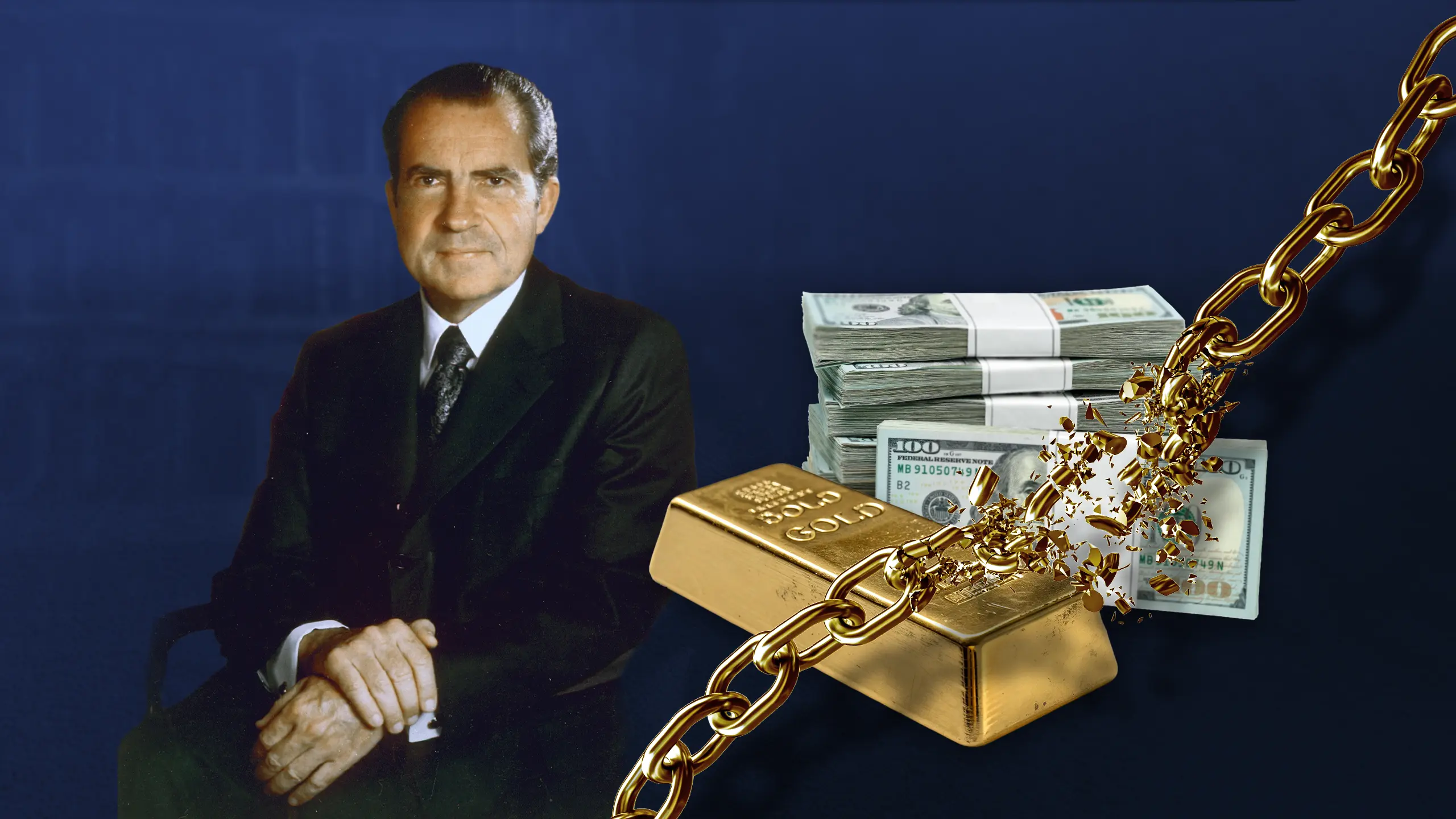
On 15 August 1971, US President Richard Nixon delivered a televised address that changed global finance more profoundly than most economic reforms of the past century. He announced the suspension of the US dollar’s convertibility into gold. The measure was meant to be temporary. It has never been reversed.
The decision ended an era in which the value of currencies was directly linked to gold, ushering in a system in which money rests largely on confidence in economies, central banks, and governments.
Fifty-five years on, it is worth asking what that shift has really meant. Not only for the global economy, but for investors too.
When money really was backed by gold
For most of modern history, money was more than simply a means of exchange. It represented a commitment that it could be exchanged for a specified quantity of gold.
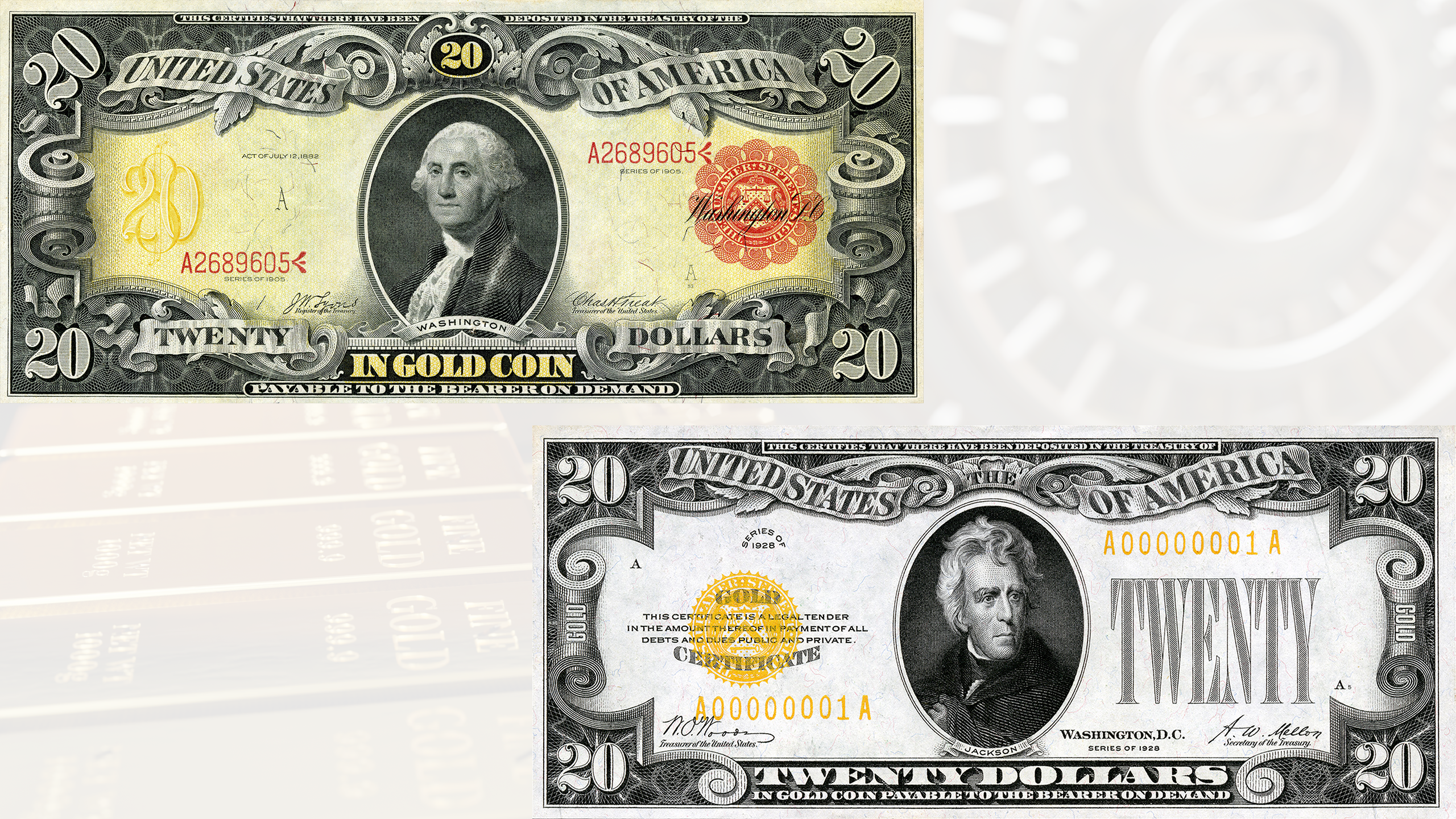
The final form of this system was the Bretton Woods monetary order established after the Second World War. The US dollar was convertible into gold at a fixed rate of 35 dollars per troy ounce, while the other major currencies were pegged to the dollar. The system brought stability to world trade, low currency volatility, and strong confidence in the international financial system. At the same time, it severely limited governments’ ability to create new money without a corresponding increase in their gold reserves.
That discipline was the system’s greatest strength and, ultimately, the reason for its downfall.
Why did the gold standard have to end?
During the 1960s, the United States financed the Vietnam War, extensive social programmes, and a growing economy through ever-increasing budget deficits. More dollars were entering the global economy than US gold reserves could support.
Once some countries began demanding physical gold in exchange for their dollars, it became clear that the system was unsustainable in the long term.
Nixon’s decision was therefore not the cause of the problem, but its culmination.
Since 1971, we have lived in a world of fiat currencies: money whose value is not backed by precious metal, but by confidence in monetary policy and the economic strength of individual countries.
This system has made it easier to respond to economic crises, enabled faster economic growth, and supported the development of financial markets. But it has also removed a natural brake on the growth of the money supply and public debt.
What do the past 55 years tell us?
History cannot be judged by a single indicator. Yet some trends are impossible to ignore.
Public debt in most advanced economies has reached historic highs. Global debt has risen to 353 trillion dollars, or 305% of global GDP. Central-bank balance sheets have expanded several times over following the 2008 financial crisis and the COVID-19 pandemic, reaching unprecedented levels. The money supply has grown at a pace that would have been unimaginable only a few decades ago.
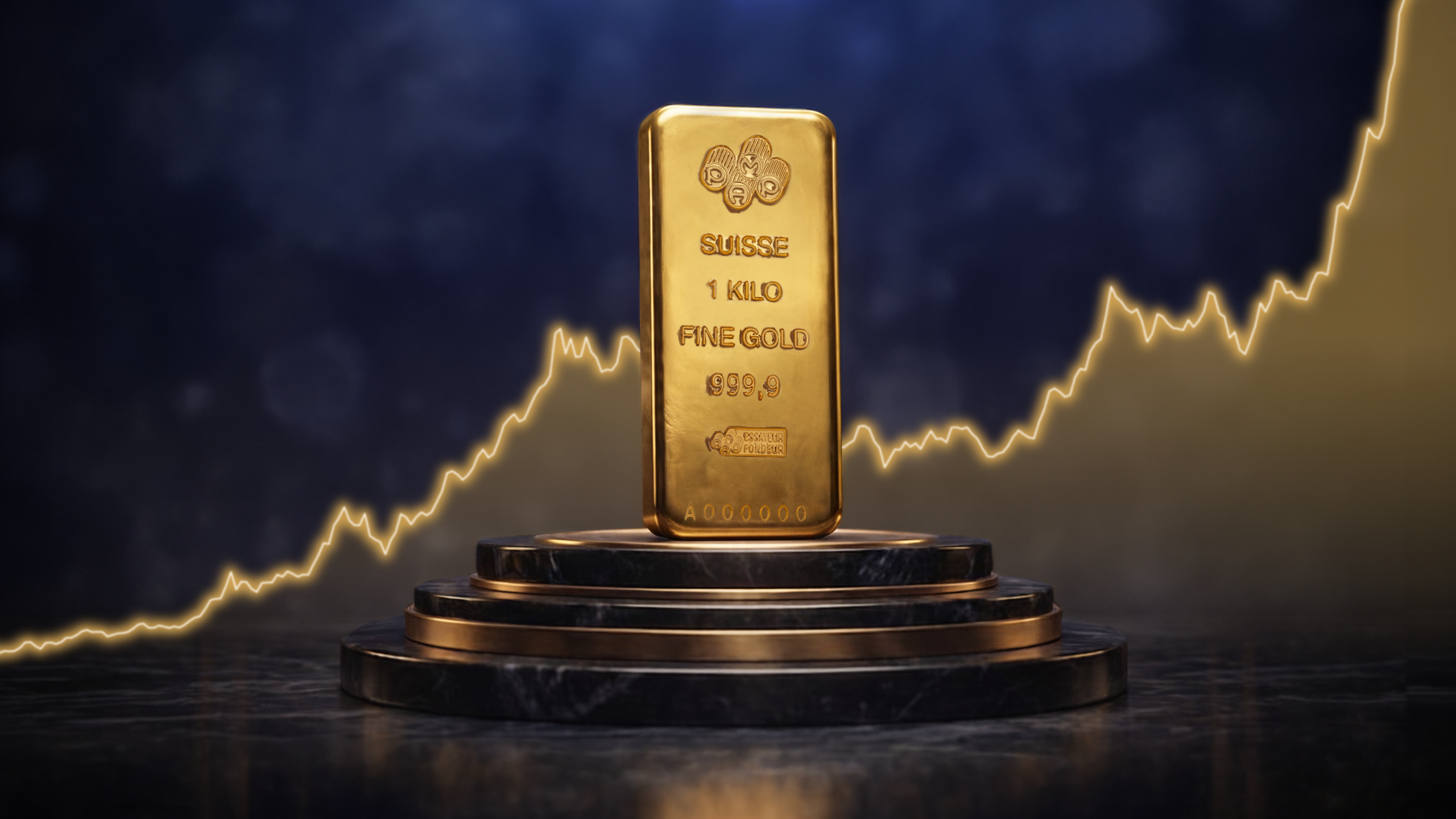
The price of gold has changed dramatically too. Until 1971, it was administratively fixed at 35 dollars per troy ounce. Today, it is many times higher. Its path, however, has been far from straightforward. Gold has gone through several prolonged periods of growth and correction, reflecting inflation, monetary policy, geopolitical conflicts and economic crises.
Gold price trend

I am often asked whether gold is expensive today. In my view, the more relevant question is this:
“Is gold really expensive, or have paper currencies simply lost some of their purchasing power over the past fifty-five years?”
For me, that change in perspective is one of the most important legacies of 1971.
Why does gold still belong in modern portfolios?
Gold is not an investment that regularly generates returns in the way shares or bonds do. Its role is different. It is an asset that is not anyone’s liability – neither that of a government nor a central bank – and whose supply cannot be increased at will. That is why it is often seen as a store of value.
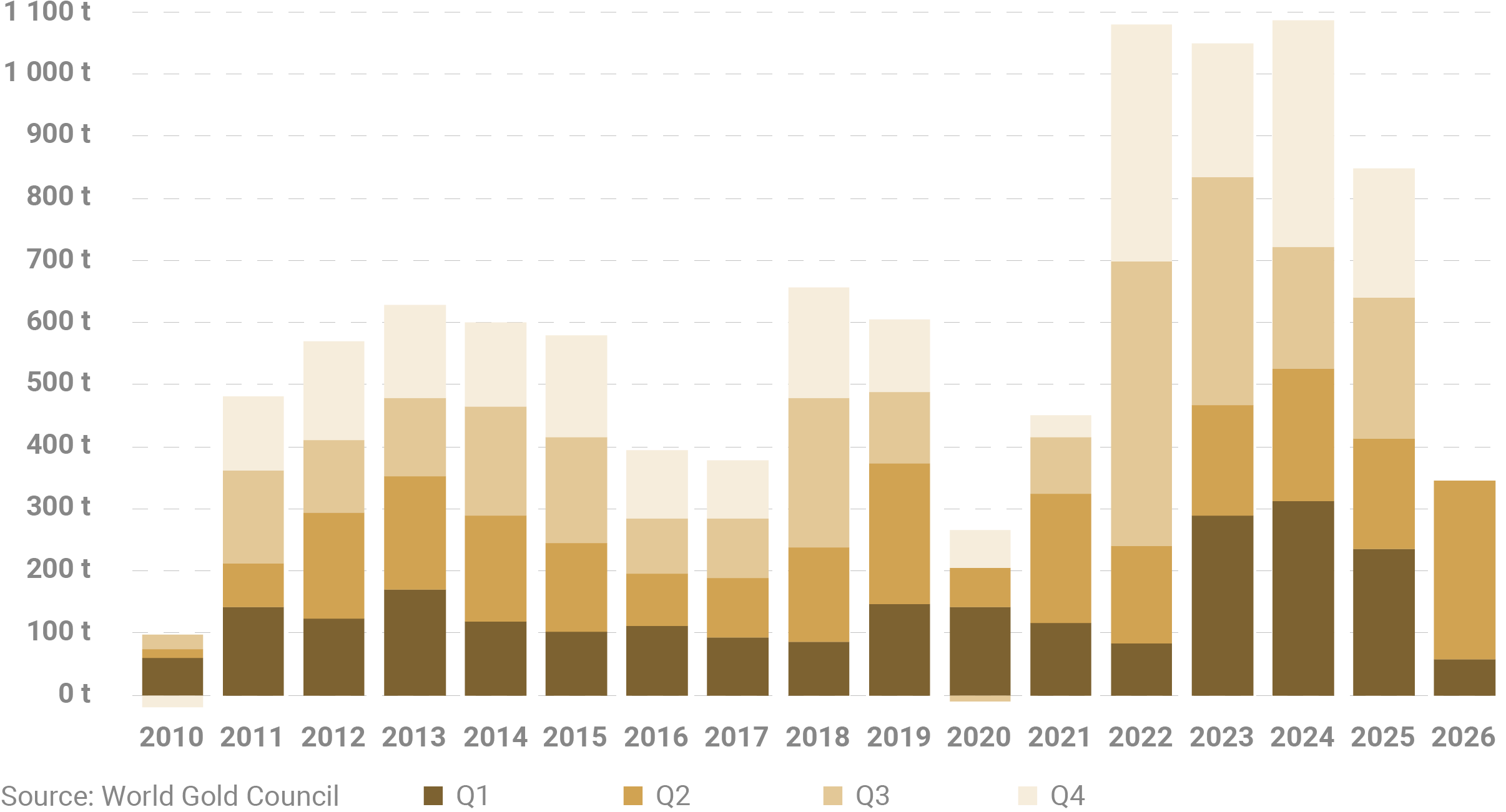
The actions of central banks themselves support this view. In recent years, they have been among the largest buyers of gold. In a world of mounting geopolitical tension, high debt, and uncertainty, they are diversifying their reserves into an asset that does not represent a claim on another country or institution.
Gold purchases by central banks
Gold’s growing importance is not reflected only in central-bank purchases. In some US states, gold and silver have also partly returned to the sphere of legal tender in recent years. Utah led the way in 2011, adopting legislation recognising gold and silver as legal tender, allowing them to be used to settle debts and, in many cases, state taxes. In the years since, other states (including Arizona, Wyoming, Oklahoma, and Texas) have introduced, or are introducing, similar measures. This does not signal a return to the gold standard or the replacement of the US dollar. It is, however, an interesting sign that, even more than half a century after precious metals ceased to underpin the monetary system, they still retain the confidence of some sections of the public and of legislators.
If the world’s largest managers of monetary reserves regard gold as a strategic part of their portfolios, it makes sense for private investors to consider the role it might play in their own wealth management too.
Gold is neither a rival to equity investments nor a tool for short-term speculation. It is one of the pillars of a diversified portfolio, intended chiefly to protect purchasing power and the value of assets in periods of heightened uncertainty.
Why does regular investing make sense?
Over the long term, not everyone will manage to time the right moment to buy. That is why regular investing is becoming increasingly established in physical gold too. As with mutual funds or ETFs, it spreads purchases over time, averages out the purchase price and reduces the influence of emotion on investment decisions.
For most households, it is also more affordable than making a one-off purchase of a larger gold bar. Long-term saving in investment gold naturally complements other investment strategies focused on building and protecting wealth.
When tradition meets technology
Investment in physical gold has changed significantly in recent years. It once meant, above all, buying bars and coins and keeping them in a safe. Today, investors expect the same convenience they know from modern financial services.
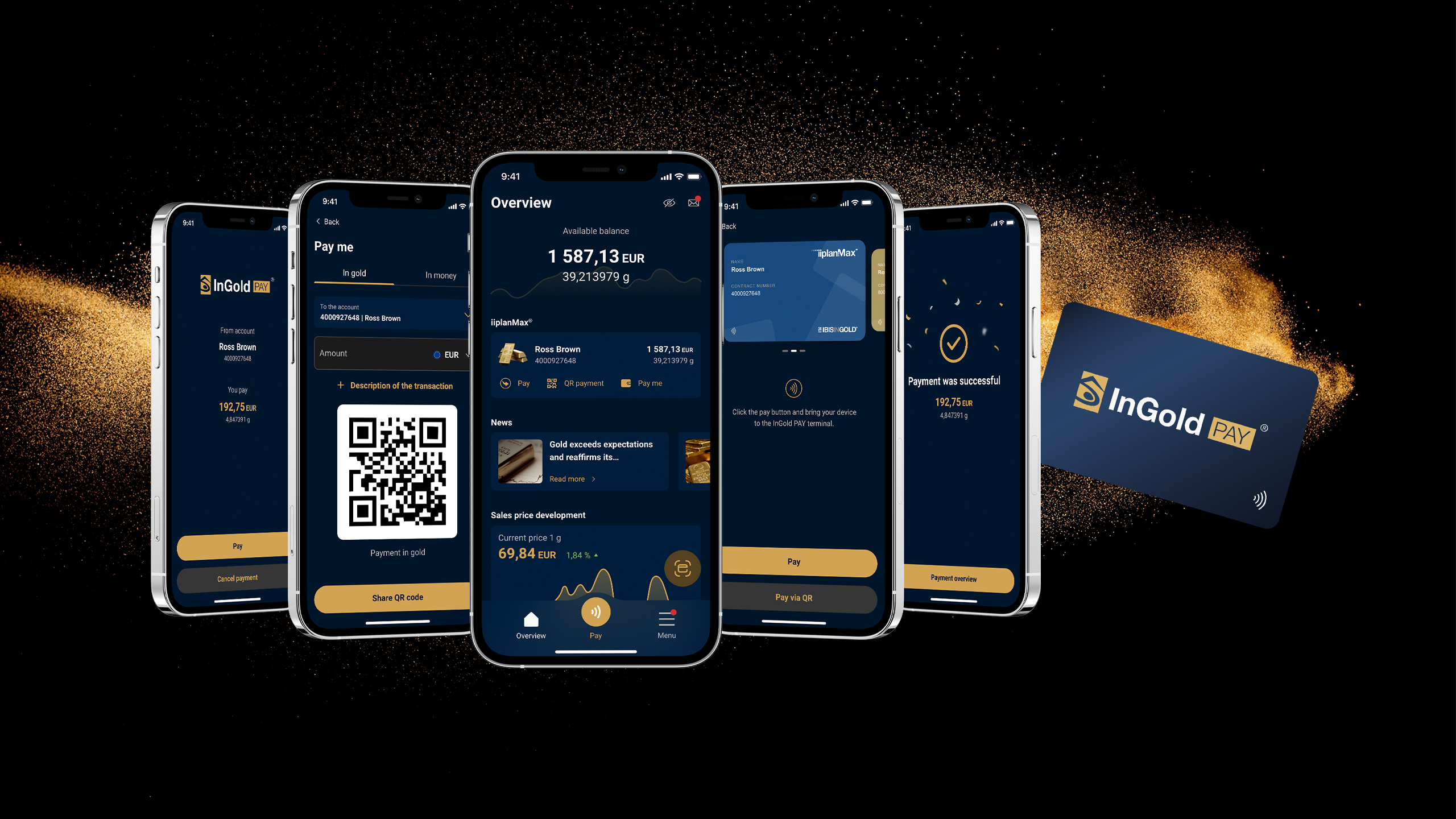
That is the direction in which IBIS InGold is evolving too. The InGold PAY® system links regular investment in physical investment gold with digital technology. Clients are not only building a long-term reserve of assets, but also gaining the ability to use their gold actively. They can draw flexibly on the value held in gold to meet current needs, whether for unexpected expenses or everyday transactions.
More than fifty years after the end of the gold standard, gold is once again acquiring one of the characteristics naturally associated with it for centuries. It does not serve solely to preserve the purchasing power of assets, as a safe haven and a portfolio stabiliser; new solutions mean it can once again be used as a means of payment.
Innovations of this kind represent the next stage in the development of precious-metals investing. The future lies not only in holding valuable assets, but in being able to use them conveniently, safely, and efficiently in everyday life.
The anniversary of the end of the gold standard is not merely a reminder of an important historical decision. It is also an opportunity to appreciate just how profoundly the world of money has changed over the past fifty-five years. Monetary systems, central-bank tools, and the technologies shaping modern finance have all changed.
Yet gold has retained its exceptional position even in this environment. For millennia, it has represented an asset that is not the liability of any state and whose value does not depend on confidence in political decisions. It is therefore no surprise that central banks around the world continue to expand their gold reserves, and that gold and silver have once again gained legal-tender status in some US states. This is not a return to the gold standard. Rather, it confirms that gold’s role can adapt to changing conditions and remain relevant even in an era of digital currencies, instant payments, and modern financial technology.
Perhaps that is the greatest legacy of 1971. After fifty-five years in a world of fiat currencies, it is clear that gold’s significance has not merely endured: in many respects, it is growing once again.